CY
CY
CY
CY
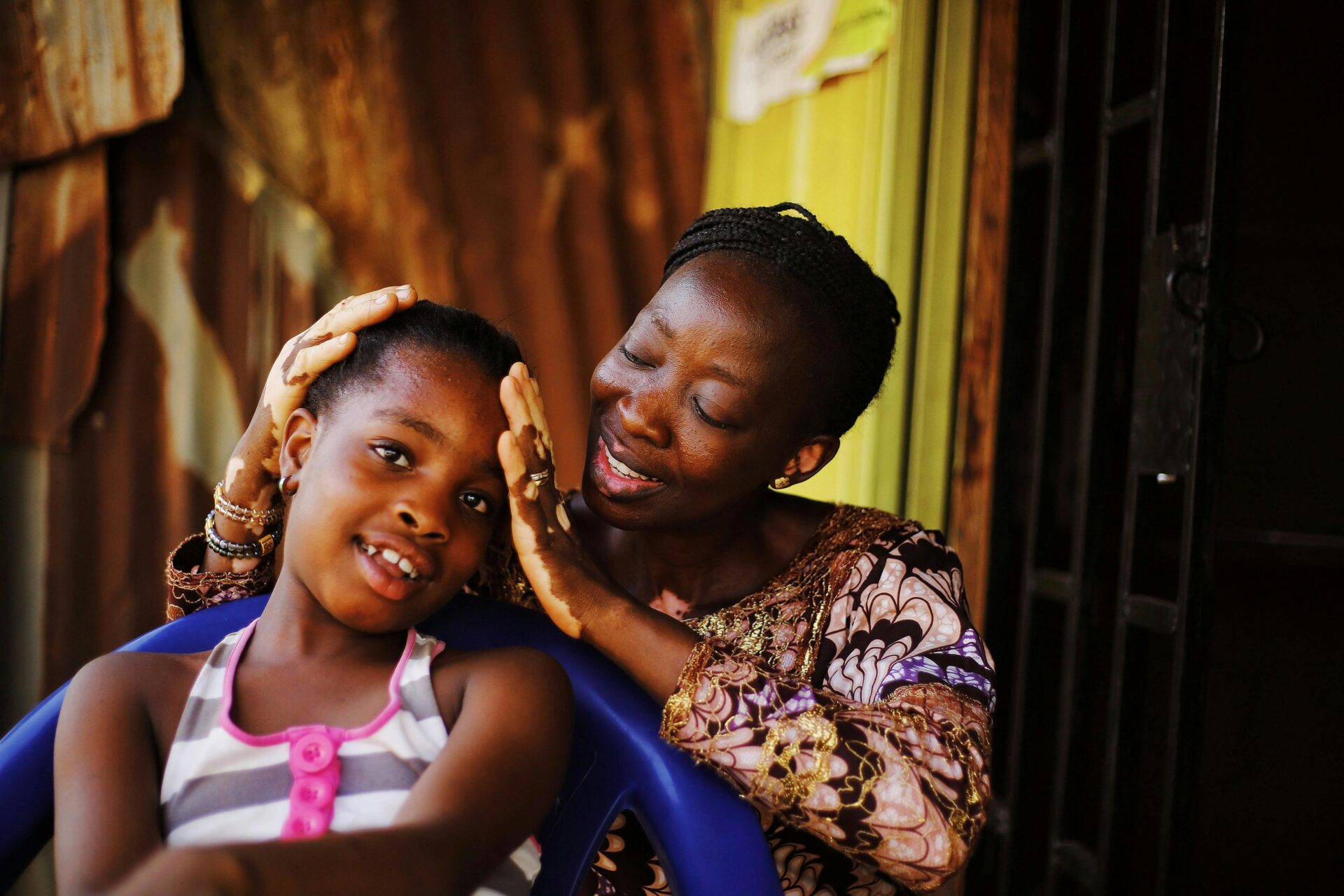
Right now, over 5.4 million children are trapped in orphanages around the world, and over 80% of them are not even orphans.
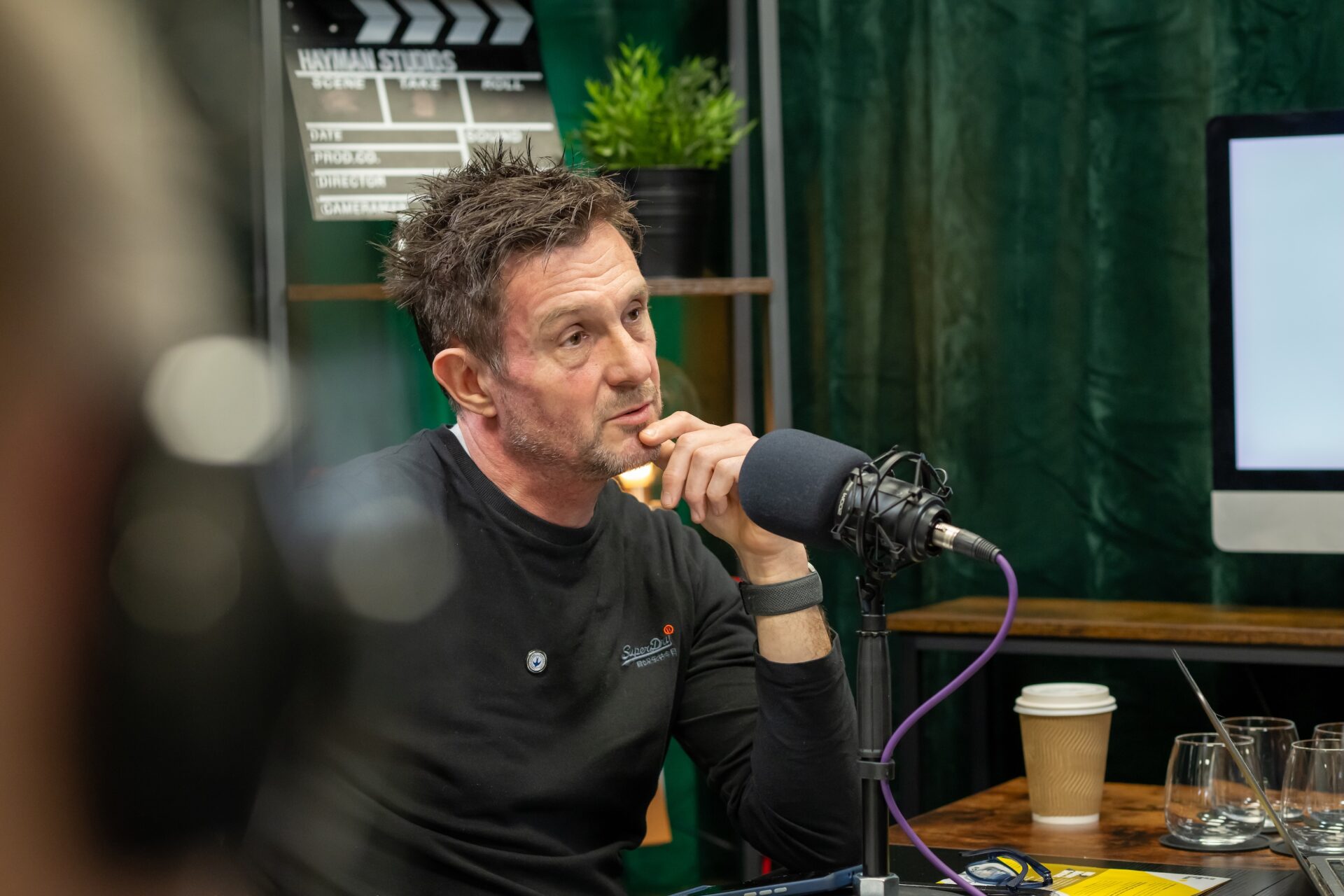
In February’s episode of the Wales, Africa and the World Podcast, we lift the lid on orphanages, how they can become vehicles for abuse and lifelong trauma for millions, and what’s being done to close them down.
Mark Riley works for Hope and Homes for Children, a charity that has been working to end the institutionalisation of children across the world since the early 1990s.
The episode begins with a clip from a Hope and Homes for Children campaign video:
“If you could say anything to the people that put you in that orphanage, what would you say?”
“I would tell them that they stole my whole childhood.”
For many people listening to the podcast or reading this article, orphanages have long been seen as a valued and needed safe haven for vulnerable children. I asked Mark: what’s the harm? Mark explains orphanages’ colonial origins and oppressive goals:
“Orphanages are quite a new phenomenon, really… So if you think about a lot of orphanages in Africa, they’ve crept into societies with the colonial empire… in America, the first orphanages were to house indigenous children, to westernize them, strip them of their culture, strip them of their culture, strip them of their families, westernise them [and] convert them to Christianity.”
He goes on to explain that there is a growing body of research and evidence to support the notion that orphanages are not good places. He explains:
“Being separated from family is traumatic enough, but children growing up in an orphanage, they don’t have the care and protection of a carer. They don’t get their individual needs met. They have challenges adjusting to life outside the orphanage when they leave.”
This lack of care and attention creates attachment disorders in children which they carry through to adulthood.
It might surprise readers and listeners to learn that over 80% of children currently in orphanages have at least one parent living, an instinctively baffling fact. I asked Mark why a child would be separated from a parent and placed in an orphanage.
“Sometimes the existence of an orphanage in a community, which is a poor community, is a pull factor to place children in an orphanage. So in Africa, a lot of Africans depend on boarding schools to educate children. Often an orphanage is seen as a free boarding school. Parents wouldn’t understand the damage that separation from their family and from their community does to children.”
The conversation moves on to focus on the harm children experience in institutions:
“Firstly, orphanages don’t offer the family care that every child needs; the love and care and protection, and to grow up with their parents or their grandparents, their siblings. So removing a child from that situation… [and] placing them in an orphanage, in an institutional setting, children do not get the care and protection that they need.”
There is extensive research on this topic. Mark explains that the evidence shows children who leave institutions experience higher rates of suicide, joblessness, social isolation and falling foul of the law. He explains:
“So, there’s a huge amount that we learn from children who’ve left institutions, … those people who have lived experience of growing up in an institution, they tell us there was a better way. I shouldn’t have been placed there. I was abused. I was neglected. Foreigners used to come and I used to be forced to sing and dance for these foreigners and then they used to leave and I used to get beaten.”
It’s clear that orphanages cannot provide the care, attention and protection that every child needs and deserves.
Despite this body of evidence and first-hand accounts, the idea that orphanages are good initiatives remains very prevalent. Mark argues that the media plays a role in shaping this societal understanding:
“Part of the problem is the media… We still elevate and idolise people that support orphanages as being some kind of hero without recognizing the damage that orphanage is doing or that institution is doing that they’re supporting.”
He points to programmes like Masaka Kids: A Rhythm Within on Netflix, produced by Prince Harry’s production company Archibald Productions, as feeding into this damaging narrative. Mark explains:
“If you look at the documentary with a critical eye, … you’ll see that it’s really quite damaging to the kids. They’ve been separated from their families. It’s often communicated as rescuing these children.
“But the stories that the Masaka Kids showed was one guy, he was living with his grandmother, but they were quite poor… So they recruited him into the institution. And now he’s talking about how he’s dancing and singing around the world. Well, the grandmother’s still poor. The community still has huge problems, [and now] he’s been separated from his grandmother.”
The issues of child separation and institutionalisation are complex; poverty and its associated problems play a significant role. Mark recalls his time living in Uganda:
“I met so many parents, so many mums, who thought that they were placing their child into an orphanage for short-term support… to feed them and educate them and they thought it was the right thing to do because they were having a short-term crisis.
“…and orphanages are all too ready to accept children, an empty orphanage doesn’t make any money.”
The commodification of poor, black and brown children is a stain on the conscience of the world, and often it is the behaviour of people in high-income countries like Wales, the rest of Europe or North America that perpetuates the problem. Mark recalls his first day on the job for the Ugandan Government:
“There was a woman outside the children commissioner’s office… looking for their children… They put their children in an institution and then the institution said the child is gone.
“We would find them, they’ve been adopted to the USA and you’d see these blogs of families saying oh we adopted this orphan from Africa because the mum died and I’m sitting across from the mum.”
This is a traumatic experience for the mother, but heartbreaking for the child also. They lose their culture, their connections and relationships, and are often forced to adopt a new religion.
Fortunately, most reputable organisations such as Save the Children, UNICEF, Hope and Homes for Children, Lumos, Oxfam and Christian Aid no longer support these institutions and have not done so for some time.
Australian Tara Winkler is an experienced and eloquent anti-orphanage advocate and has given an excellent TEDx talk about her journey from contributing to the damage orphanages do to helping keep families together and putting children first.
Mark recalls a similar story from his time in Uganda meeting Lucy Buck, the founder of Child’s I Foundation, who had dreams of setting up an orphanage to help children. She learned through experience and working with Mark that orphanages can never be the answer, and set about pivoting the foundation to address the root causes of why children end up in orphanages in the first place.
Now they train foster carers and partner with the Ugandan Government to help build community structures for child protection, working alongside orphanages that want to repurpose their operations into community hubs. Mark adds:
“[I’ve] got a huge amount of respect for her. She closed it down and she transitioned Child’s I Foundation into an organization which is now helping prevent separation, placing children into foster care, training parents.”
An important component of the transition Hope and Homes for Children and their movement is trying to drive with orphanages is sustainability and stability. Development and aid funding can often be short-term or fixed-term, changing year to year and geared towards donor priorities rather than the people they purport to help.
There has been huge disruption in the aid sector recently. USAID was almost decimated by the Trump administration. Prime Minister Keir Starmer halved the UK’s aid budget, and similar cuts across parts of the G7 are taking place.
This podcast has already covered the impact this has on the poorest parts of the world, especially on public health. But I asked Mark whether it could also be an opportunity to do things differently:
“I think two things can be true at the same time, that development funds and aid should be more focused to create more sustainability.
“I was working on a couple of USAID projects when Trump cut USAID completely overnight… So in India, there was a project which was bringing disability experts within India and bringing care reform experts to make sure that children with disabilities were prioritised… so that they weren’t shoved into these terrible institutions where they get no care… That was cut overnight.
“And I don’t think we can ever be happy with 4.8 million children which will die because of the USAID cuts by 2030… We shouldn’t be happy with the 30 million people who will be negatively affected.
“Does it give us some opportunities? Yeah, because there’s no money in the sector or there’s not as much money in the sector. I think that we have to look at making and helping governments responsible for what happens within their own borders with children, making sure that they adhere to the UN Convention on the Rights of the Child.”
As the interview draws to a close, conscious that this topic contains many harrowing truths but also inspiring stories of change, I asked Mark what gives him hope:
“What gives me hope is seeing the young people who’ve grown up in institutions start to find their voice; and we have to give them that platform.
“Giving these young people, some of them are not so young anymore, a voice is really where we need to be at.
“This is a crisis. And I think if anything can come of this podcast is just for people to get a bit motivated to find out more information, get involved and listen to the voice of care leavers. That’s the really, really important thing.”
“Decolonising tourism and development: from orphanage tourism to community empowerment in Cambodia”
The shocking truth about orphanages